
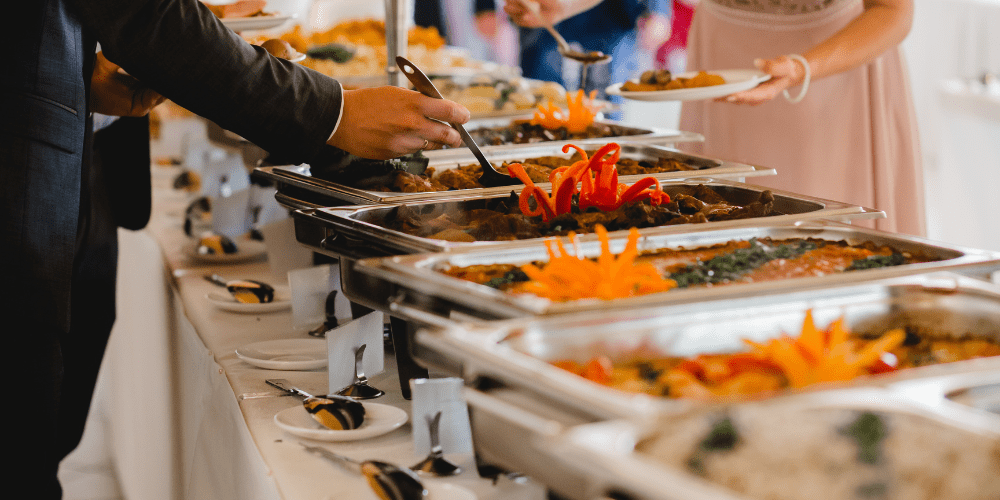
Food is the heart of any gathering. While décor, music, and speakers contribute to the event atmosphere, catering is often the most critical element and the one guests remember most vividly. A flawless dining experience elevates your event, while common catering mistakes can sink it.
This guide provides a strategic framework structured around clear catering do’s and don’ts across four phases to help you navigate event catering successfully.
Phase 1: Planning and Budgeting
The success of your event’s cuisine is decided long before the first appetizer is served. Careful planning and budget allocation are the foundation of a successful event.
Do’s: Setting the Stage for Success
Do Finalize Your Budget Early
Determine the absolute cap for all food and beverage expenses. This includes cost per plate, sales tax, service charges (typically 18-25%), and gratuities. Knowing your budget dictates which catering company options are viable and helps you plan the right menu within realistic limits. Catering costs can vary greatly depending on your event type and service style.
Do Define Dietary Needs First
Collect all dietary restrictions, allergies, and various dietary preferences directly on your RSVP forms. Never wait until the last event date approaches. Providing your caterer with guaranteed dietary needs early allows them to source gluten-free, dairy-free, and other specialized ingredients affordably. This ensures no guests are left hungry or uncomfortable.
Do Check Venue Restrictions
Before contacting a catering company, confirm the rules for your event space. Some venues have exclusive vendor lists, mandatory fees, or limitations on kitchen access and cooking methods. Understanding these restrictions helps you plan ahead and avoid surprises during the catering process.
Do Schedule a Detailed Initial Consultation
Your first meeting with a potential caterer shouldn’t just cover food discuss the overall service flow, catering staff appearance, liability insurance, and necessary permits. This clear communication sets expectations for how smoothly your event will run.
Don’ts: Common Planning Traps to Avoid
Don’t Wait on the Headcount
Giving a tentative guest list is acceptable initially, but the final guaranteed count matters most. The catering company uses this to purchase ingredients and schedule catering staff. Avoid providing final numbers too late, as rush orders typically incur high fees and may leave guests without enough food.
Don’t Ignore Service Fees and Rentals
Service fees are not gratuities. Read the fine print carefully. Never assume basic needs like tables, linens, and flatware are included in the food price. Always insist on an itemized breakdown to understand true catering costs and avoid being left with unexpected bills.
Don’t Overlook Hidden Costs
Be wary of fees buried in contracts: transportation charges, cake-cutting fees for outside vendors, and overtime charges if your event runs late. These can significantly impact your budget if not clarified in advance.
Don’t Compromise on Insurance
Never hire a caterer who cannot provide proof of comprehensive liability insurance and required permits. This protects you and ensures proper food safety standards are maintained throughout your catering events.
Phase 2: Menu Design and Tasting
The menu must be delicious, logistically feasible, and appropriate for your event’s purpose and format.
Do’s: Crafting a Memorable Meal
Do Choose Menu Options That Fit the Format
Match the food to your event type. For networking at a corporate event or office event, choose finger foods that guests can handle while mingling. For formal occasions, a sit-down meal ensures efficiency. A relaxed gathering might allow for a buffet with serving stations. The service style should complement the event atmosphere you want to create.
Do Offer Variety and Balance
Ensure your menu balances flavors and accommodates dietary preferences. Pair proteins with fresh vegetables and lighter options. Include crowd pleasers alongside more adventurous dishes. Offering variety means guests with various dietary preferences all find something appealing, which helps make your event inclusive.
Do Incorporate Seasonal Ingredients
Using seasonal ingredients and fresh produce is a smart choice. These items are fresher, taste better, and often cost less because they’re abundant. This approach also adds quality that guests notice and appreciate in their dining experience.
Do Schedule a Tasting
A tasting is essential to evaluate flavor, presentation, portion size, and whether dishes hold up at serving temperature. Bring a trusted colleague for an unbiased second opinion. This step helps you create the right menu and avoid serving dishes that don’t meet expectations.
Don’ts: Menu Mistakes to Avoid
Don’t Choose Messy Foods
For events where guests are standing or wearing formal attire, forget foods with dripping sauces or items that require excessive cutting. These create awkward moments and can ruin the presentation of your event.
Don’t Underestimate Beverage Needs
Budget for 2-3 drinks per person during the first hour and 1-2 drinks for each hour after. Always offer thoughtful non-alcoholic options beyond basic water, consider a signature cocktail alongside mocktails to keep guests hydrated and happy throughout extended periods.
Don’t Try to Please Everyone with One Dish
Creating a single dish for vegans, meat-eaters, and those needing gluten-free options often results in bland compromises. Instead, serve strong main selections and excellent separate dishes specifically designed for dietary restrictions. This approach makes better food and leaves guests satisfied.
Don’t Forget About Food Temperature
Consider logistics for keeping food safe and appealing. If you plan a buffet, ensure your caterer has adequate equipment for serving stations. Food served at improper temperatures is a red flag for food safety and guest satisfaction.
Phase 3: Logistics and Execution
Flawless execution requires coordination, clear communication, and attention to service details that help your event run smoothly.
Do’s: Ensuring Seamless Service
Do Confirm Adequate Staffing
Understaffing leads to slow service, long lines, and frustrated guests. Generally, plan for 1 server per 10-15 guests for plated service and 1 per 25-30 for a buffet style. Ensure bartenders and support catering staff are properly allocated to serve your large crowd efficiently.
Do Create a Detailed Service Timeline
Work with your caterer to plan the entire dining flow: exact times for each course, when serving stations open, and when the bar closes. Share this timeline with all vendors to prevent conflicts. A clear plan helps everything run smoothly and keeps the event on schedule.
Do Designate a Point Person
The host shouldn’t handle logistics on the event date. Assign a trusted event planner, coordinator, or staff member as the single contact for the catering company manager. This prevents confusion and allows the host to focus on guests.
Do Have a Backup Plan
Discuss contingencies with your caterer for common issues: equipment failures, weather problems for outdoor catering events, or unexpected guest count changes. A solid backup plan protects against disruptions that could otherwise derail your event.
Don’ts: Day-of Execution Errors
Don’t Ignore Setup Access
Ensure your caterer has dedicated access to equipment that doesn’t conflict with guest arrivals. Blocking entrances with catering trucks creates a poor first impression and disrupts the event atmosphere before it begins.
Don’t Over-Schedule During Meals
Mealtime is for conversation and enjoying food. Keep announcements and entertainment minimal during the main meal to let guests focus on their dining experience. Over-scheduling makes guests rush and reduces their enjoyment.
Don’t Scrimp on Prep Space
Caterers need adequate workspace. Even if your event space has a kitchen, ensure enough auxiliary tables, electrical access, and storage for the catering staff to work safely and efficiently.
Don’t Forget Vendor Meals
Budget for meals for photographers, event planners, DJs, and other working staff. These are typically served before or after guests eat to ensure vendors can work during peak service times without disruption.
Phase 4: Post-Event Do’s and Don’ts
Your event isn’t over until final details are settled and you’ve captured insights to improve future events.
Do’s: Wrapping Up Professionally
Do a Complete Walkthrough
Before the catering staff leaves, conduct a final inspection with the catering company manager. Verify all cleanup is complete per your contract and that no venue property was damaged. This protects you from unexpected charges post-event.
Do Collect Feedback While It’s Fresh
Immediately gather feedback from trusted attendees, the venue manager, and your own staff about food quality, service speed, and professionalism. This information is invaluable for future events and helps you identify what worked well and what needs adjustment.
Do Acknowledge Excellent Service
If the service was exceptional, write reviews on platforms or send referrals. Positive recognition helps good caterers and builds relationships that benefit your future events.
Don’ts: Post-Event Oversights
Don’t Forget Gratuities
Review your contract to confirm whether gratuities were included in service fees. If not included, tip appropriately, typically 15-20% for excellent catering staff. This is standard practice and ensures professional relationships for any first event or future collaborations.
Don’t Delay Final Payment
Settle the bill promptly after reconciling the final guest count against services provided. Quick payment maintains good relationships with your catering company and ensures they’re available for your next corporate event or celebration.
Make Your Event Stress Free
Successful event catering relies on meticulous planning, balanced menu options, and seamless logistics. By following these fundamental catering do’s and don’ts, you can eliminate common catering mistakes and stress.
Whether planning your first event, a corporate event, or any catering event, these guidelines help create a lasting impression. Start early, communicate clearly with your caterer, and plan for dietary needs to ensure your next event runs smoothly and guests leave satisfied.
Plan your next event with Momo Dumplings. With careful planning, our expert team ensures your food service becomes a highlight that attendees remember, not a source of stress that detracts from your event’s purpose.