
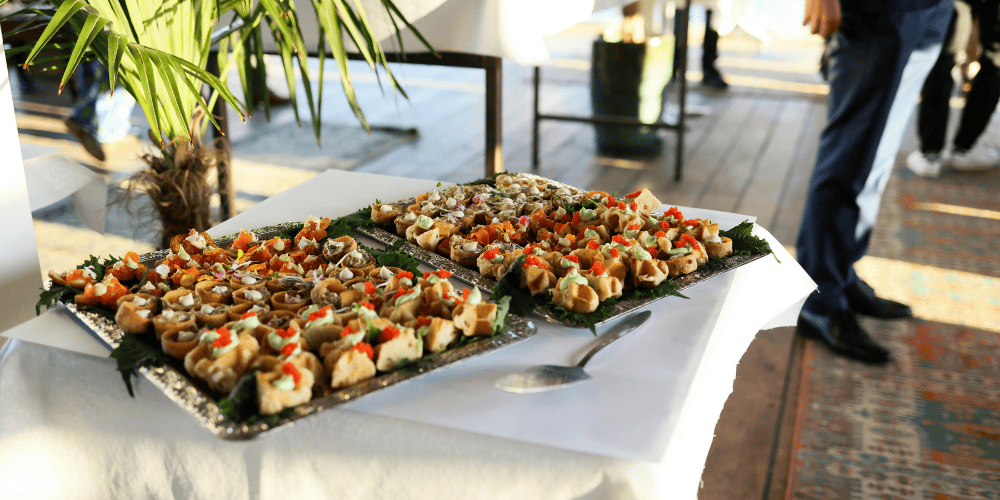
Office catering has become an important part of workplace culture. From team lunches and training sessions to corporate celebrations and client meetings, food brings employees together. However, modern workplaces are increasingly diverse, and that diversity extends to dietary needs and food preferences.
Employees may follow specific diets for health, cultural, ethical, or religious reasons. Others may have allergies or intolerances that require careful food preparation. Catering that fails to consider these needs can leave employees feeling excluded or put their health at risk.
This guide explains how to cater for different dietary needs in the office while maintaining a menu that is both practical and enjoyable for everyone.
Why Catering for Dietary Needs Matters in the Workplace
Catering that accommodates different dietary requirements does more than simply provide food. It contributes to a more inclusive and respectful workplace environment.
Promotes Inclusivity
Food is a shared experience in many workplace settings. When everyone at the table has something they can enjoy, it creates a sense of belonging. Employees who cannot eat the provided food may feel overlooked or excluded from the event.
Providing suitable options shows that the organization values the needs of all team members.
Supports Employee Health and Well-being
Employees who follow specific diets often do so for health reasons. Offering food options that align with those needs allows employees to participate without compromising their well-being.
Nutritious and well-balanced meals help maintain energy levels and focus during long meetings, workshops, or office events.
Reflects Professional Planning
Thoughtful catering reflects positively on the organization. Whether hosting a team lunch or entertaining clients, offering diverse food options demonstrates attention to detail and respect for guests.
Understanding Common Office Dietary Requirements
Before planning an office catering menu, it’s important to understand the most common dietary needs employees may have.
Vegetarian
Vegetarian diets exclude meat but may include dairy products and eggs. Many employees choose vegetarian meals for ethical, environmental, or health reasons. These options often feature fresh vegetables, grains, and plant-based proteins.
Vegan
Vegan diets exclude all animal products, including meat, dairy, eggs, and honey. Vegan options are becoming increasingly common in workplace catering and are often popular even among non-vegans. Well-prepared vegan dishes can be flavorful and satisfying without any animal-based ingredients.
Gluten-Free
A gluten-free diet avoids wheat, barley, and rye. Some individuals follow this diet due to medical conditions such as gluten intolerance or celiac disease. Providing gluten-free options ensures these employees can safely enjoy the meal.
Dairy-Free
Employees who are lactose intolerant or have dairy allergies require meals that exclude milk, cheese, butter, and other dairy products. Many dishes can be prepared without dairy while maintaining flavor and texture.
Nut-Free
Nut allergies can be severe and sometimes life-threatening. In workplaces where employees have nut allergies, caterers may need to eliminate nuts entirely or ensure strict separation to prevent cross-contamination.
Religious or Cultural Dietary Requirements
Some employees follow dietary rules based on cultural or religious practices, such as halal or kosher diets. Understanding these needs helps ensure the catering menu respects everyone’s beliefs and traditions.
Recognizing these common dietary categories allows event organizers to create menus that accommodate a wide range of needs.
Gather Dietary Information Before Planning the Menu
One of the most effective ways to manage dietary needs is to ask employees about their requirements before planning the catering.
Conduct a Quick Survey
For office events or meetings, organizers can send a short survey or email asking employees to list any dietary restrictions or allergies. This step helps avoid assumptions and ensures the catering plan reflects actual needs.
Maintain a Dietary Requirement List
For workplaces that regularly organize catered events, keeping a record of common dietary requirements can simplify future planning. This information allows organizers to anticipate menu needs without repeatedly requesting the same details.
Encourage Open Communication
Employees should feel comfortable sharing their dietary needs. Clear communication ensures no one feels overlooked and helps organizers plan more effectively.
Plan an Inclusive Catering Menu
Once dietary requirements are known, the next step is designing a menu that provides suitable choices for everyone.
Offer a Variety of Food Options
A balanced catering menu should include options that accommodate different diets. Providing vegetarian, vegan, and gluten-free dishes ensures that most employees can find something suitable. Menus that rely heavily on a single ingredient or food category may unintentionally exclude some individuals.
Balance Health and Taste
Office catering should provide meals that are both nutritious and enjoyable. Fresh ingredients, balanced portions, and a mix of flavors create a satisfying meal for everyone.
Healthy options such as salads, vegetable-based dishes, lean proteins, and whole grains are often appreciated in workplace settings where employees want food that supports productivity. Fresh dumplings filled with seasoned vegetables or lean proteins offer satisfying, flavorful options that work for many dietary preferences.
Include Naturally Inclusive Dishes
Some dishes naturally accommodate multiple dietary needs. Vegetable-based meals, grain bowls, and salads can suit vegetarian, vegan, and gluten-free diets when prepared carefully. These types of dishes make menu planning simpler while ensuring broad accessibility.
Work Closely with Your Catering Provider
Choosing the right catering partner is essential when managing dietary requirements for office events.
Select an Experienced Caterer
Experienced caterers understand the importance of dietary restrictions and can help create menus that accommodate a variety of needs. They know how to prepare food safely to avoid cross-contamination.
Working with a caterer familiar with corporate events often results in smoother planning and better menu options.
Share Dietary Information Clearly
Providing caterers with a clear list of dietary requirements allows them to prepare appropriate dishes and make necessary adjustments. The more information the caterer receives, the better they can design a menu that meets everyone’s needs.
Request Menu Customization
Many caterers are willing to adjust recipes or provide alternative dishes when necessary. Customization may include substituting ingredients, preparing smaller portions of specialized meals, or offering additional options for specific dietary groups.
Clearly Label Food and Ingredients
Clear food labeling is a simple yet effective way to ensure employees can confidently choose meals that suit their dietary needs.
Label All Dishes
Each dish should be labeled with basic dietary indicators:
-
Vegetarian (V)
-
Vegan (VG)
-
Gluten-Free (GF)
-
Dairy-Free (DF)
-
Contains Nuts (N)
This helps employees quickly identify suitable options without needing to ask staff for clarification.
Provide Ingredient Information
For individuals with allergies or strict dietary restrictions, knowing the ingredients in a dish is essential. Providing ingredient lists or brief descriptions helps guests make safe food choices.
Use Separate Serving Utensils
Each dish should have its own serving utensil to prevent cross-contamination. This is especially important for gluten-free, dairy-free, or allergen-sensitive foods.
Prioritize Food Safety and Allergen Awareness
When catering for dietary needs, safety is just as important as variety.
Prevent Cross-Contamination
Foods prepared for specific dietary requirements should be handled carefully to avoid contact with allergens or restricted ingredients. Separate preparation areas and utensils help maintain food safety.
Follow Proper Food Handling Practices
Professional caterers follow strict food safety standards that ensure meals are prepared, stored, and served safely. Maintaining these standards protects employees and reduces the risk of allergic reactions.
Take Allergies Seriously
Even small traces of certain ingredients can trigger serious allergic reactions. Clear communication with caterers and staff is essential to ensure allergens are handled properly.
Provide Flexible and Customizable Catering Options
Flexible catering formats make it easier to accommodate multiple dietary needs without creating complicated menus.
Buffet-Style Catering
Buffet setups allow employees to select foods that fit their dietary preferences. Guests can choose the items they want while avoiding ingredients they cannot eat. This format works particularly well for diverse groups with varying dietary needs.
Build-Your-Own Meal Stations
Customizable stations are effective for office events. Examples include:
-
Salad bars with various toppings and dressings
-
Sandwich or wrap stations with multiple fillings
-
Grain or rice bowl stations with protein choices
-
Taco or burrito bars with vegetarian and meat options
These setups allow employees to create meals that match their dietary requirements while keeping the catering experience interactive and enjoyable.
Collect Feedback After Office Catering Events
Continuous improvement helps make future office catering events even better.
Ask Employees for Feedback
After the event, asking employees for feedback can reveal what worked well and what could be improved. Simple questions about food quality, variety, and dietary accommodation provide useful insights.
Adjust Future Menus
If certain dishes are especially popular or if employees suggest additional dietary options, these ideas can be incorporated into future catering plans.
Improve Inclusivity Over Time
Workplaces evolve, and so do employee needs. Regular feedback allows organizations to refine their catering approach and ensure that future events continue to meet the expectations of their teams.
Make Every Employee Feel Included
Successfully catering for different dietary needs creates a workplace where every employee feels valued and included. When you understand dietary requirements, communicate clearly with your catering provider, and ensure proper food safety practices, you demonstrate respect for each team member’s needs.
Thoughtful planning transforms office catering into an opportunity to build stronger workplace relationships. Employees appreciate when their dietary needs are recognized and accommodated, reflecting a culture of inclusivity that benefits everyone.
Momo Dumplings specializes in office catering that accommodates diverse dietary needs. Our menu includes vegetarian, vegan, and gluten-free options prepared with fresh, quality ingredients to ensure every team member enjoys flavorful, satisfying meals.